Understanding the Role of a CNA in Home Healthcare


Introduction to CNA in Home Healthcare
Certified Nursing Assistants (CNAs) play a vital role in the home healthcare sector. They provide essential support to patients who need medical assistance at home, offering a range of services that enhance the quality of life for those they care for. Understanding the responsibilities and contributions of CNAs helps in appreciating their work and the impact they have on patient care.
CNAs are often the primary caregivers in home settings, providing not just medical assistance but also emotional support. They are the compassionate bridge between patients and the healthcare system, ensuring that each individual receives personalized care.

The Responsibilities of a CNA
CNAs are responsible for a variety of tasks, all aimed at improving the well-being of their patients. Their duties often include:
- Assisting with daily living activities such as bathing, dressing, and grooming.
- Monitoring vital signs like blood pressure and heart rate.
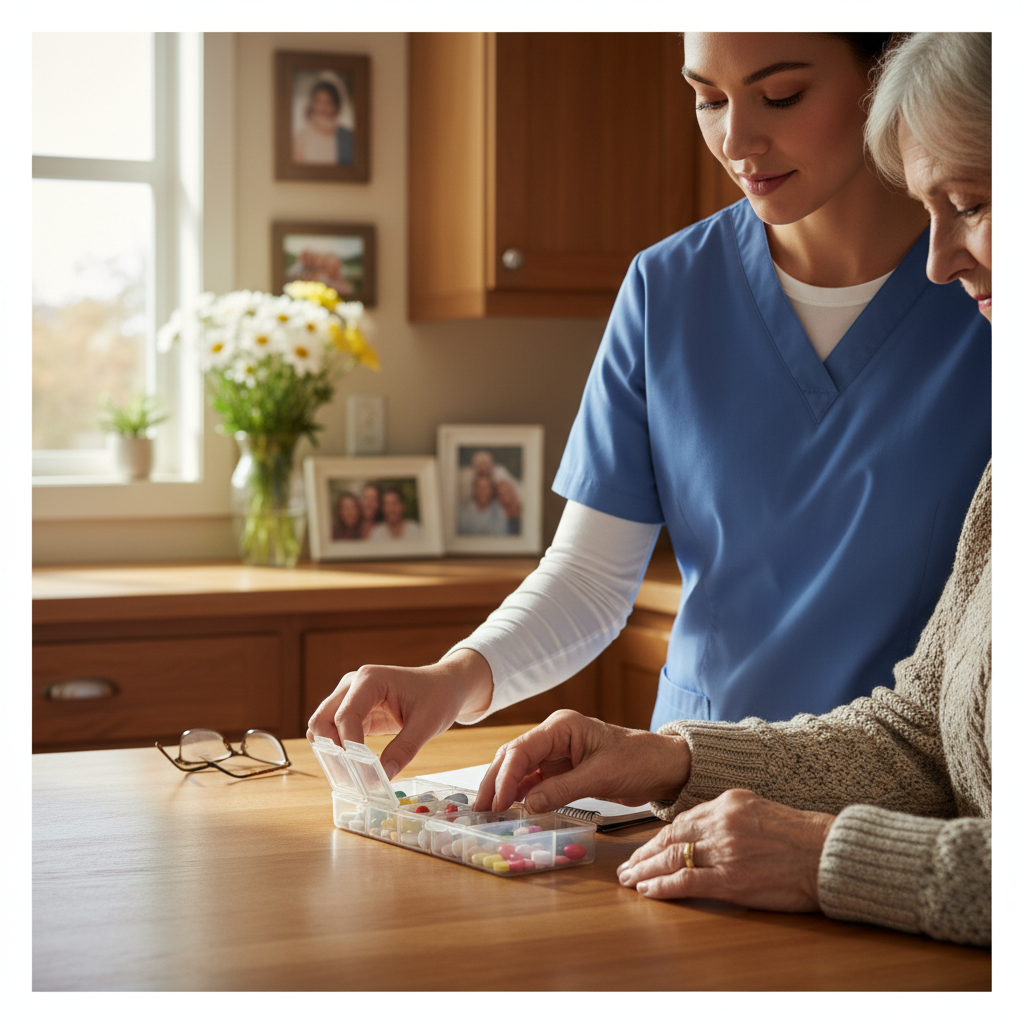
- Administering medications as prescribed by healthcare professionals.
- Providing mobility support and ensuring patient safety.
In addition to these tasks, CNAs often communicate important health information to nurses and doctors, ensuring that any changes in a patient's condition are addressed promptly.

Skills and Qualities of a Successful CNA
Being a CNA requires a unique set of skills and qualities. First and foremost, they must possess strong compassion and patience to effectively care for their patients. Additionally, CNAs must have excellent communication skills to interact with patients, families, and other healthcare professionals.
Organizational skills are also crucial, as CNAs often manage multiple tasks and responsibilities throughout their day. Attention to detail ensures that they can monitor health changes and administer care accurately.
The Impact of CNAs on Patient Care
CNAs have a significant impact on the quality of care patients receive in home healthcare settings. Their ability to provide consistent, one-on-one care helps in building trust and rapport with patients. This connection often leads to better health outcomes, as patients are more likely to follow care plans and communicate openly about their needs.
Moreover, CNAs provide families with peace of mind, knowing that their loved ones are in capable and caring hands. This support is invaluable, especially for families who may feel overwhelmed by the demands of caregiving.
Conclusion
Understanding the role of a CNA in home healthcare highlights the essential services they provide and the positive impact they have on patient care. Their dedication and skill ensure that patients receive not only medical attention but also the compassion and support needed to thrive in their home environments. As the demand for home healthcare continues to grow, the role of CNAs will become increasingly important in delivering high-quality, personalized care.