Seasonal Health Tips for Seniors: Preparing for Weather Changes


Understanding Seasonal Changes
As the seasons change, seniors may find themselves facing unique health challenges. Temperature fluctuations, humidity changes, and varying levels of sunlight can all impact well-being. Being aware of these changes and preparing accordingly can help maintain health and comfort throughout the year.
Clothing and Layering
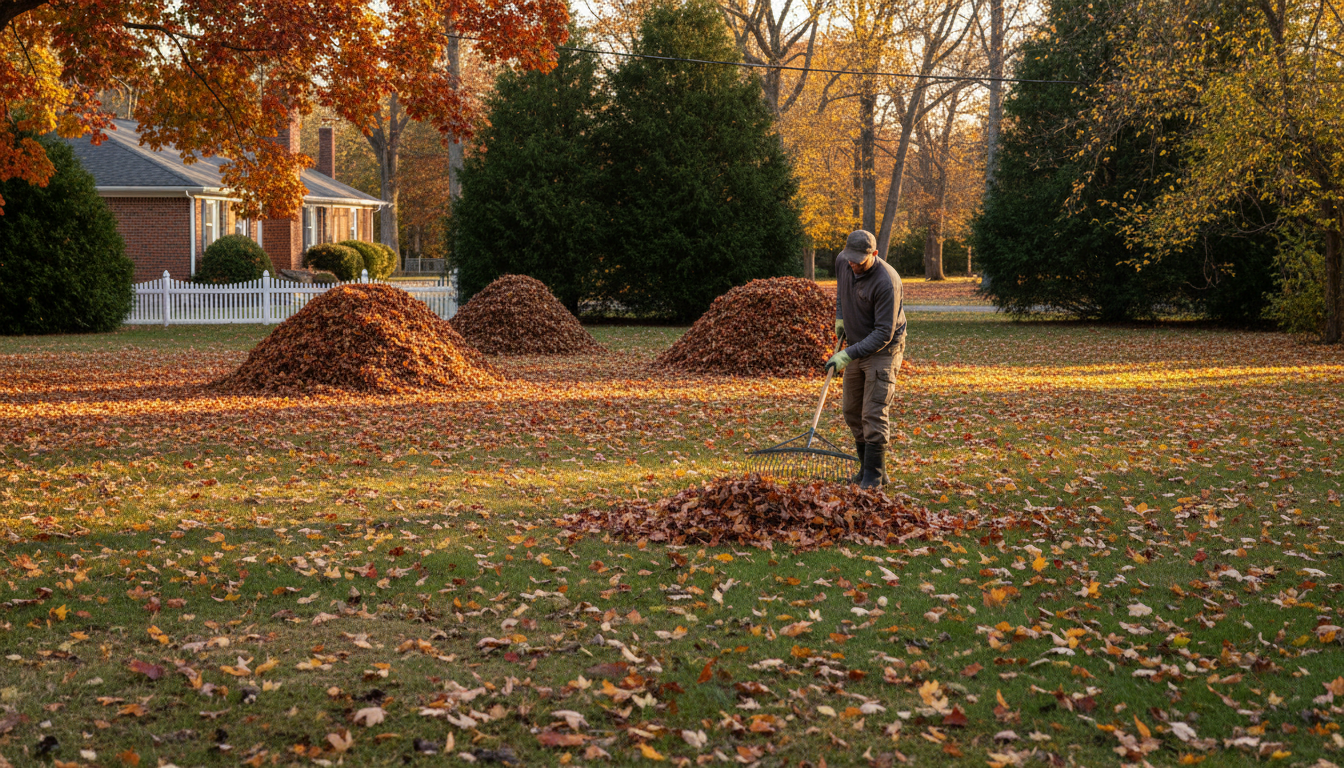
One of the simplest ways to adapt to changing weather is through appropriate clothing. Layering is essential, especially during transitional months where temperatures can vary widely throughout the day. Wearing layers allows seniors to adjust their clothing to maintain a comfortable body temperature. Choose breathable fabrics like cotton and wool that provide warmth without causing overheating.
Staying Active
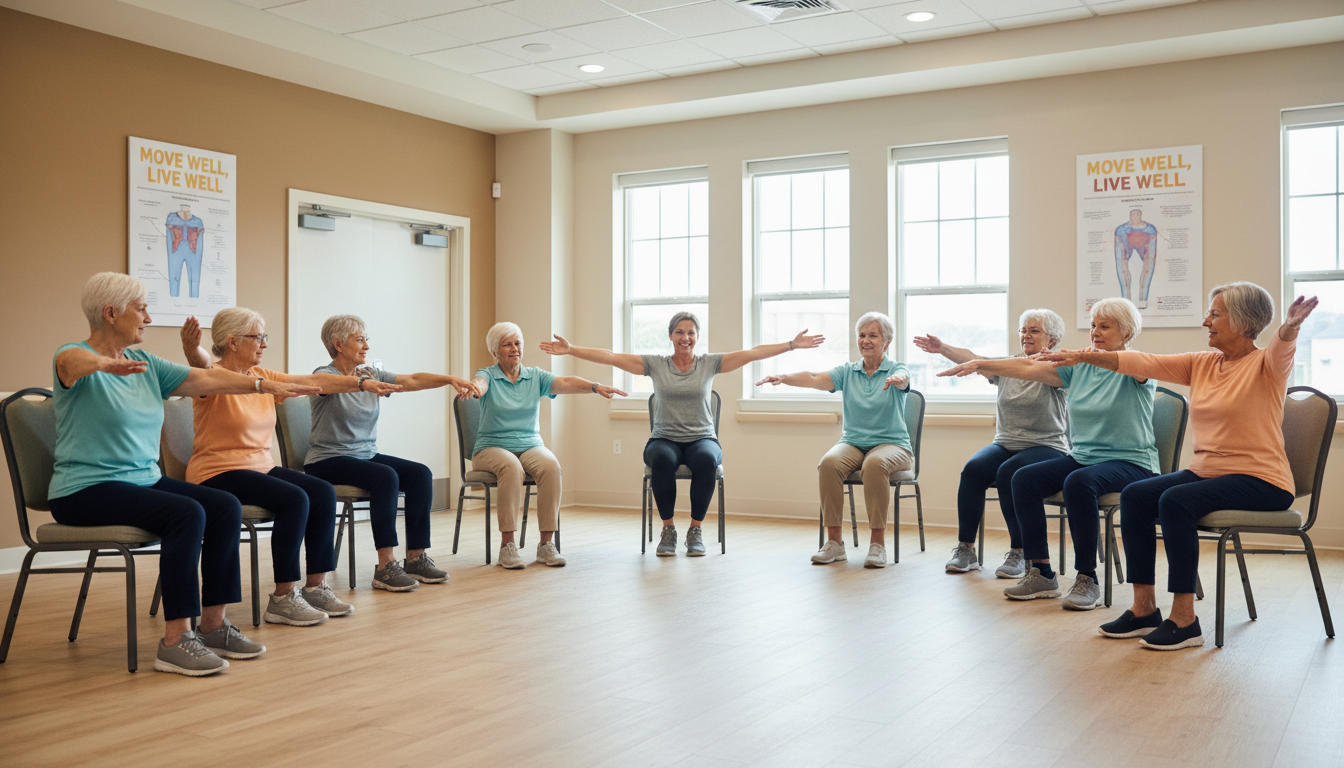
Physical activity is crucial for seniors, regardless of the season. However, weather changes can impact the ability to exercise outdoors. In colder months, consider indoor activities such as yoga, swimming, or walking in a mall. Staying active not only boosts physical health but also improves mental well-being.
Nutrition and Hydration
Diet plays a critical role in adapting to seasonal changes. During colder months, it’s important to consume foods rich in vitamins and minerals to support the immune system. Hydration is equally essential, even when temperatures drop. Seniors should aim to drink plenty of water and consume hydrating foods like fruits and vegetables.
Monitoring Health
Seasonal changes can exacerbate existing health conditions, making regular health check-ups vital. Seniors should monitor any changes in their health and consult with healthcare providers to adjust medications or treatments as needed. This proactive approach can prevent complications and ensure overall well-being.

Home Safety Tips
As the weather changes, seniors should also ensure their homes are safe and comfortable. This includes checking heating systems before winter, ensuring proper insulation, and using humidifiers during dry months. Safety measures such as non-slip mats and adequate lighting can prevent accidents and promote a secure living environment.
Social Connections
Maintaining social connections is important for emotional health, especially during seasons that may limit outdoor activities. Encourage regular phone calls, video chats, or socially-distanced visits when possible. Engaging in community activities, either virtual or in-person, can also provide much-needed interaction and support.
Preparing for Emergencies
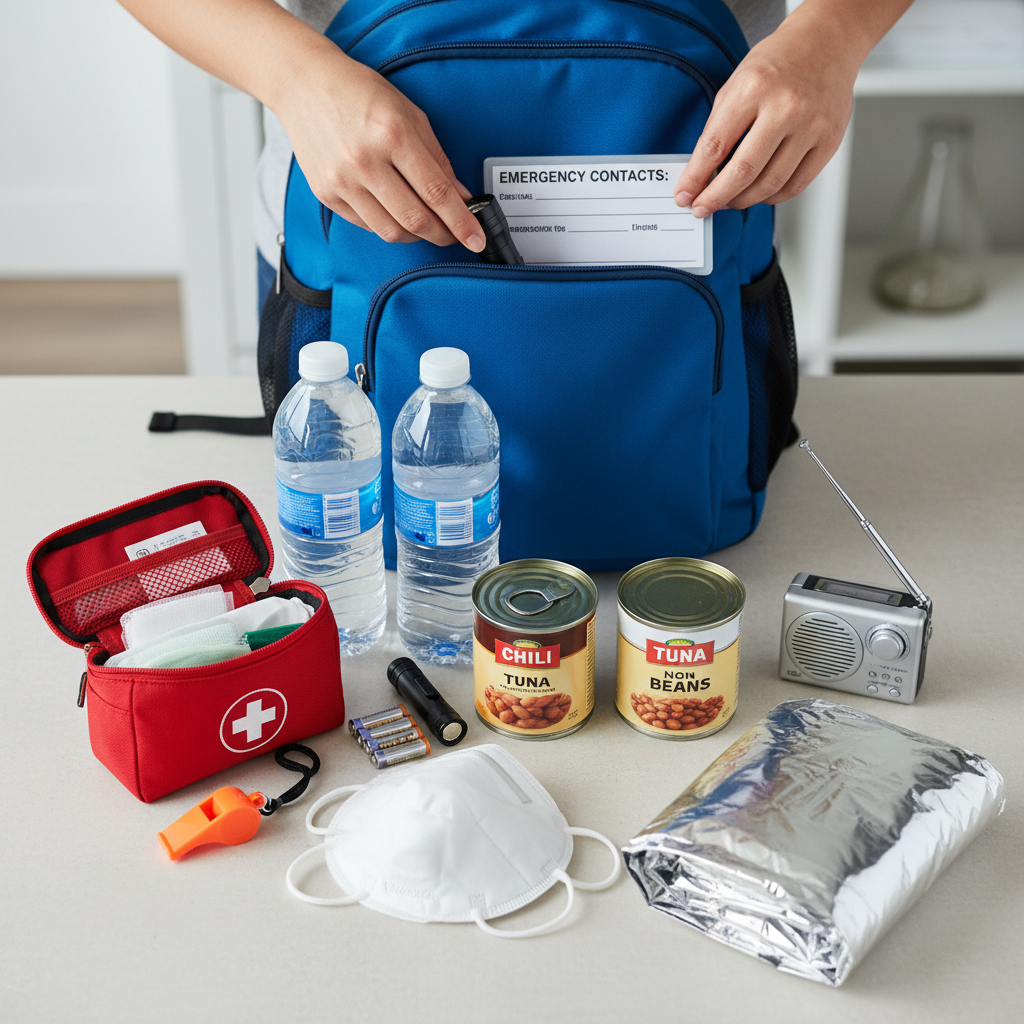
Finally, seniors should be prepared for weather-related emergencies. This includes having an emergency kit with essentials such as water, non-perishable food, medications, and a flashlight. Being prepared ensures peace of mind and readiness for any unexpected weather events.
By taking these steps, seniors can effectively manage the challenges posed by seasonal weather changes, ensuring they remain healthy and comfortable throughout the year.