Seasonal Health Care Tips: Preparing for Winter in Georgia with Home Nursing


Understanding Georgia's Winter Climate
Winter in Georgia can be unpredictable, with temperatures ranging from mild to freezing. It's essential to be prepared for the cold, especially for those requiring home nursing care. The colder months can be challenging, but with the right precautions, you can ensure comfort and health.
Home nursing during the winter involves adjusting to the changing climate while maintaining a comfortable living environment. Understanding the typical weather patterns can help in planning effective health care strategies.

Maintaining a Warm and Safe Home
Keeping the home warm is crucial during the winter months. Ensure that heating systems are functioning efficiently. Regular maintenance checks can prevent unexpected breakdowns during cold spells, which can be particularly hazardous for those with health vulnerabilities.
Consider using draft stoppers for doors and windows to retain heat. Additionally, ensure that smoke and carbon monoxide detectors are working properly, as heating systems can sometimes pose risks.
Clothing and Bedding
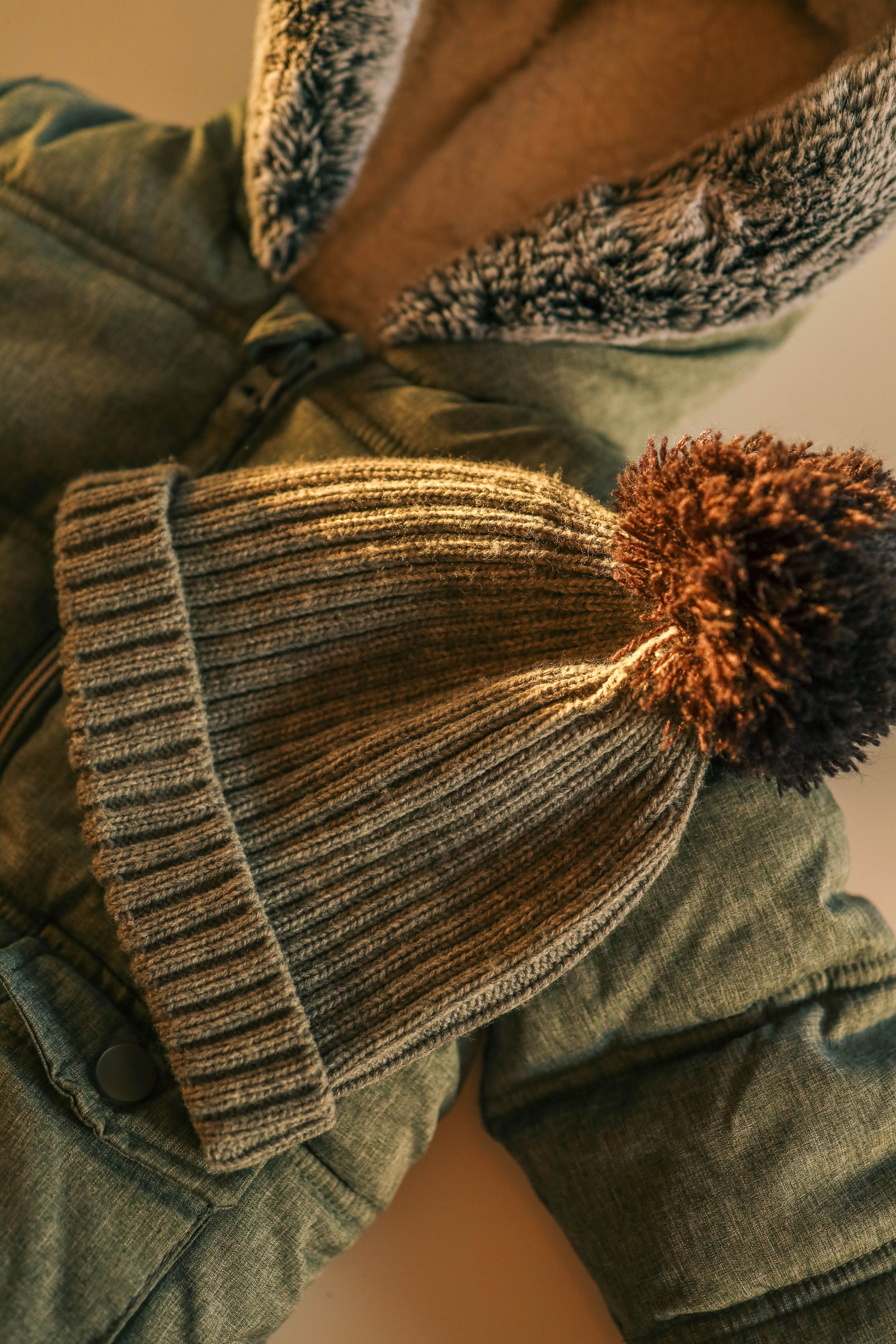
Layering clothing is an effective way to stay warm. Encourage wearing thermal undergarments, sweaters, and socks indoors. Bedding should also be adjusted, with heavier blankets and comforters to provide adequate warmth during the night.
Nutrition and Hydration
A balanced diet is vital for maintaining health during winter. Focus on nutrient-rich foods that boost the immune system, such as fruits, vegetables, and whole grains. Soups and stews are excellent options for staying warm and nourished.
Hydration is equally important. Although people may feel less thirsty in colder weather, it's crucial to drink enough water throughout the day to stay healthy.
Vitamin D and Supplements
With reduced sunlight exposure, consider vitamin D supplements. Consult with healthcare providers to determine appropriate dosages. Other supplements, like vitamin C and zinc, can also support immune health.

Preventing Seasonal Illnesses
The winter months often bring an increase in colds and flu. Encourage regular handwashing and consider flu vaccinations as preventive measures. It's also advisable to avoid crowded places if possible to minimize exposure to germs.
For those receiving home nursing care, ensure that healthcare providers follow hygiene protocols to prevent the spread of illnesses.
Exercise and Physical Activity
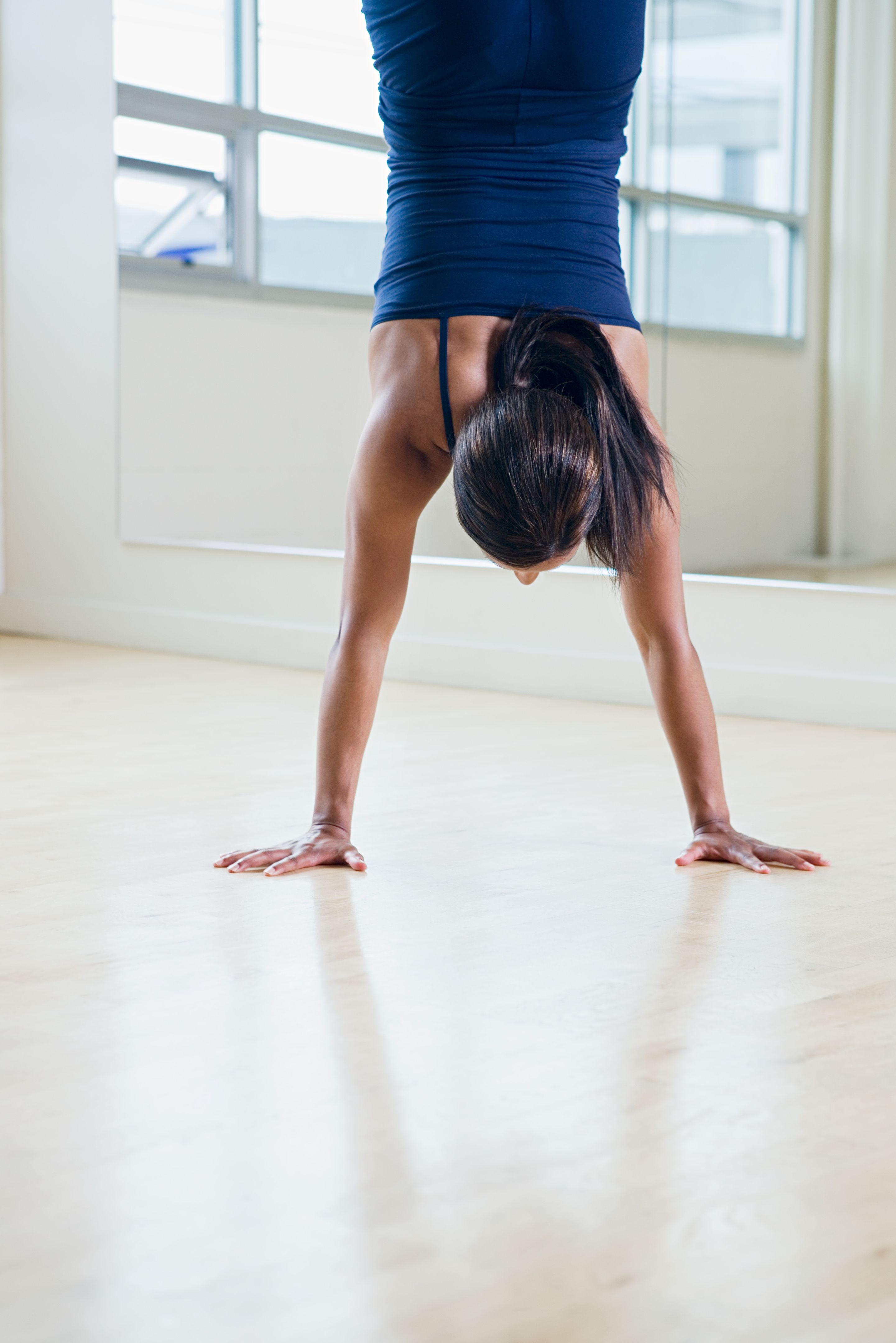
Maintaining physical activity during winter is essential for overall health. Simple indoor exercises, such as stretching or yoga, can help keep the body active and improve circulation. Encourage activities that can be done safely at home.
Emotional Well-being and Support
Winter can sometimes lead to feelings of isolation, especially for those who are homebound. Regular social interaction, whether through family visits or virtual meetings, can help combat loneliness.
Consider hobbies or activities that can be enjoyed indoors, such as reading, puzzles, or crafts, to keep the mind engaged and content.
In summary, preparing for winter in Georgia with home nursing involves a combination of practical adjustments and proactive health measures. By focusing on warmth, nutrition, illness prevention, and emotional support, you can ensure a safe and healthy winter season.