Navigating the Winter Season: Home Healthcare Tips for Seniors


Preparing the Home for Winter
As the winter months approach, ensuring a safe and comfortable home environment for seniors is crucial. Start by checking the heating system to ensure it is functioning efficiently. This can help prevent unexpected breakdowns during the coldest days.

Next, consider installing draft stoppers and weather stripping around doors and windows to keep the cold air out. Ensuring that the home is well-insulated can significantly impact comfort levels and energy costs.
Ensuring Safety Indoors
Indoor safety is a priority during the winter months. Make sure all walkways are clear of clutter to prevent falls. Consider using non-slip mats in areas that may become wet, such as entryways and bathrooms.

Additionally, check that all smoke and carbon monoxide detectors are working properly. With increased heater usage, the risk of carbon monoxide exposure rises. Regular checks can provide peace of mind.
Maintaining Health and Wellness
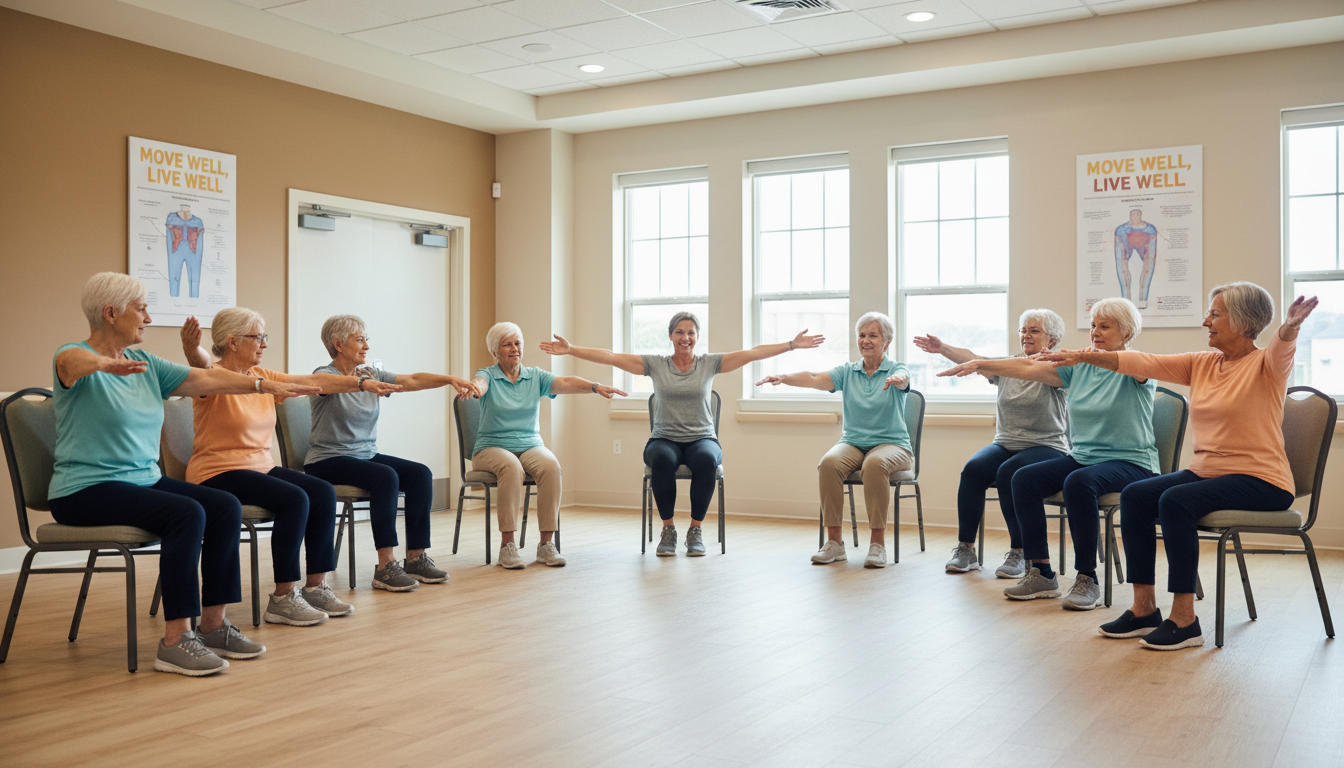
Staying active is essential, even when it's cold outside. Encourage seniors to engage in indoor exercises, such as yoga or light stretching, to maintain flexibility and circulation. The key is to find activities that are enjoyable and doable indoors.
Nutrition is equally important. Ensure that meals are balanced and rich in vitamins. Consider incorporating seasonal vegetables and fruits to boost immunity and overall health during the winter months.
Staying Connected
Isolation can be a concern during the winter, especially for seniors living alone. Encourage regular phone or video calls with family and friends. Social interaction is vital for mental health and well-being.
Also, consider community programs or activities designed for seniors. Many organizations offer virtual events or safe, socially-distanced gatherings to help seniors stay engaged.
Emergency Preparedness
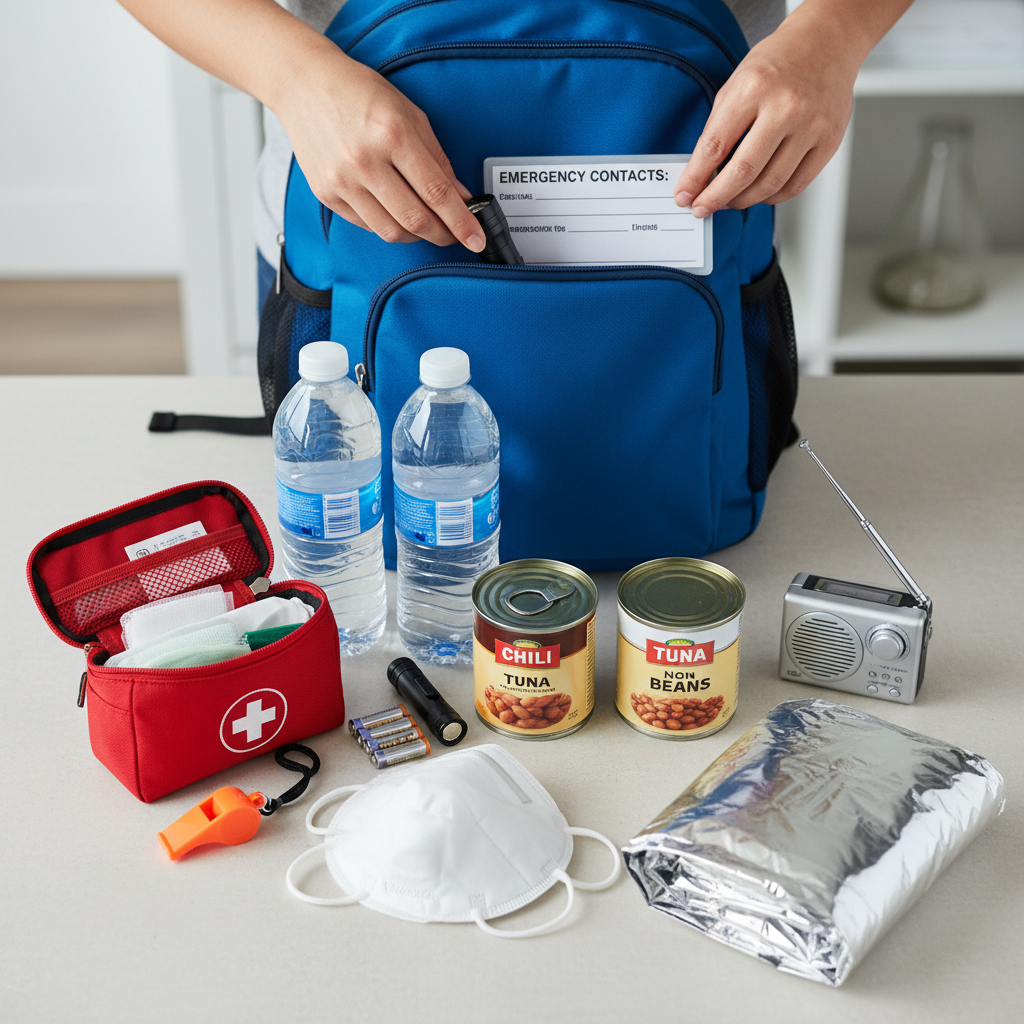
Prepare for potential emergencies by creating a plan that includes a list of emergency contacts and a readily accessible supply kit. This kit should contain medications, bottled water, non-perishable food, and other essentials.
Ensure that seniors know how to communicate with their healthcare providers in case of severe weather conditions. Having a plan in place can alleviate stress and ensure safety during unexpected events.
Conclusion
By taking proactive steps, seniors and their caregivers can navigate the winter season with confidence and ease. From ensuring the home is warm and safe to staying active and connected, these tips can make a significant difference in maintaining health and well-being throughout the colder months.