How to Prepare Your Home for Seasonal Health Challenges


Understanding Seasonal Health Challenges
As the seasons change, so do the challenges that come with maintaining a healthy home environment. Each season presents unique health risks, from allergies in the spring to colds in the winter. Preparing your home for these changes can help you and your family stay healthy year-round. By making a few adjustments, you can mitigate many of the common issues associated with seasonal transitions.

Spring: Tackling Allergies
Spring is a beautiful time of year, but it can be a nightmare for those with allergies. Pollen and other allergens are more prevalent, which means it’s important to keep your home as allergen-free as possible. Start by ensuring your windows and doors are sealed properly to prevent pollen from entering. Additionally, consider using air purifiers with HEPA filters to trap airborne allergens.
Regular cleaning can also significantly reduce allergens. Vacuum frequently using a vacuum with a HEPA filter, and don’t forget to wash bedding and curtains in hot water to eliminate dust mites and pollen. These simple steps can make a significant difference in the air quality of your home.
Summer: Managing Heat and Humidity
With summer comes heat and humidity, both of which can affect indoor air quality. High humidity levels can lead to mold growth, which can exacerbate respiratory issues. To combat this, use a dehumidifier to keep humidity levels in check. Ideally, indoor humidity should be kept between 30% and 50%.
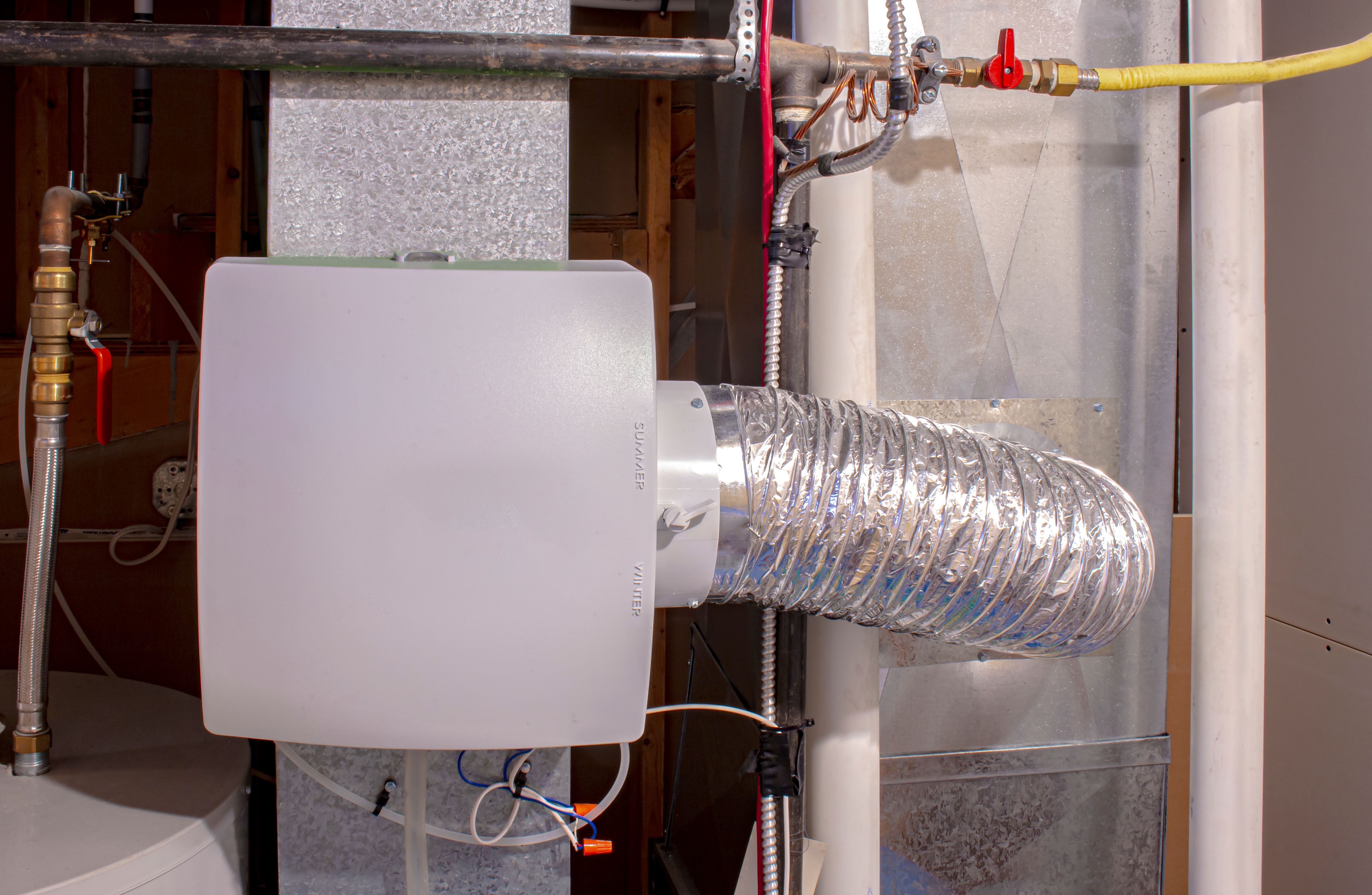
Ensure your air conditioning system is functioning efficiently by cleaning or replacing filters regularly. An efficient AC system not only cools your home but also helps regulate humidity. Additionally, using fans can improve air circulation, keeping your home comfortable and healthy.
Autumn: Preparing for Cold and Flu Season
As temperatures drop, the risk of colds and flu increases. One effective way to prepare your home is by boosting its ventilation. Open windows when weather permits to let in fresh air and reduce the concentration of airborne viruses. Additionally, regularly disinfect frequently touched surfaces like doorknobs, light switches, and remote controls.
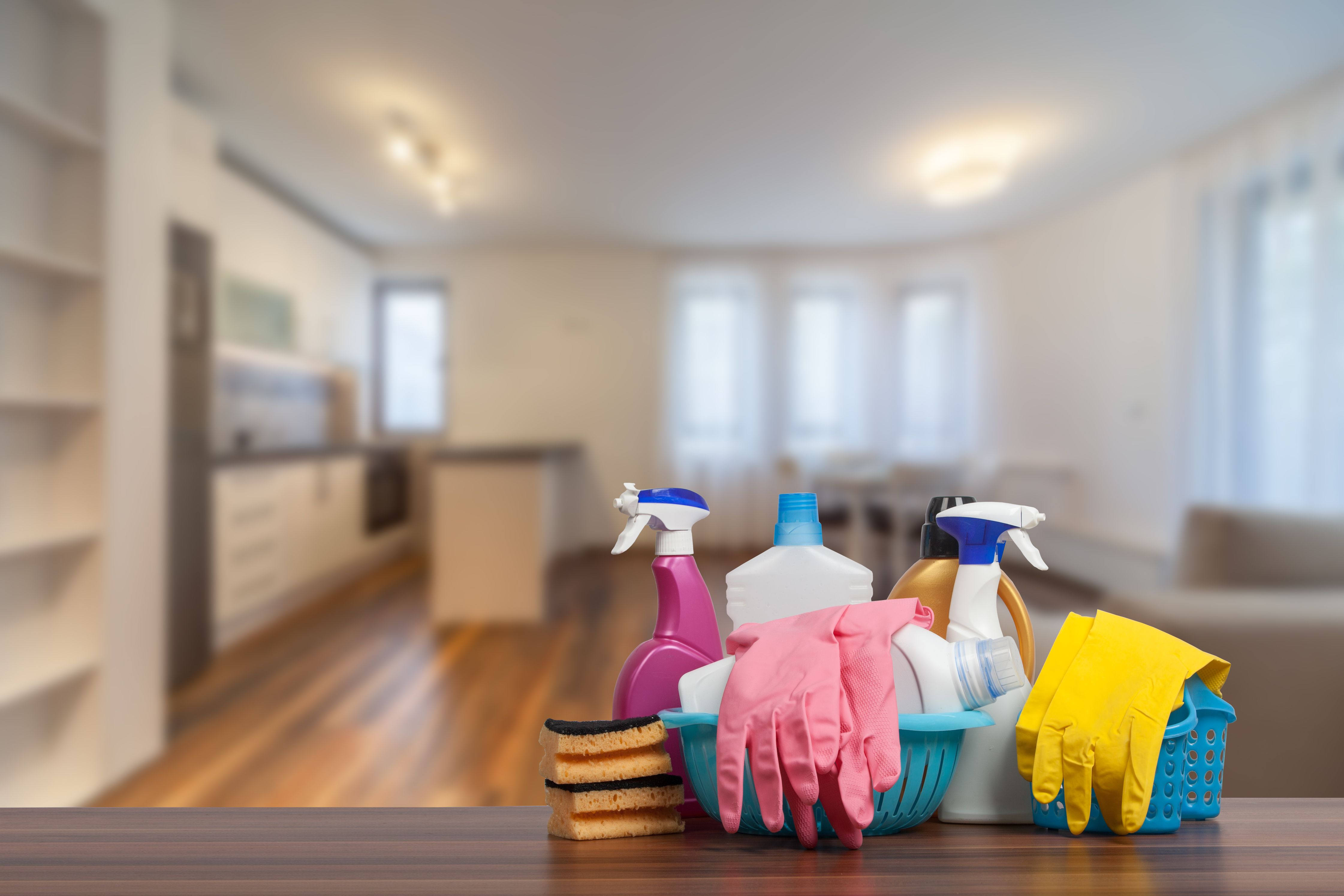
Stock up on essential supplies such as tissues, hand sanitizers, and cleaning products. Having these items readily available can help minimize the spread of germs during the cold and flu season.
Winter: Combating Dry Air
During winter, heating systems can dry out the air in your home, leading to dry skin and respiratory issues. To counteract this, use a humidifier to add moisture to the air. This can help maintain a healthy humidity level, preventing dryness and irritation.
Additionally, check your home for drafts and seal any gaps to keep the cold air out and the warm air in. This not only improves comfort but also helps in maintaining a stable indoor climate, which is beneficial for your health.
Conclusion: Year-Round Vigilance
Preparing your home for seasonal health challenges requires a proactive approach. By understanding the specific risks each season brings and taking appropriate steps to address them, you can create a healthier living environment for you and your family. Remember, a well-prepared home is a key component of maintaining your overall well-being throughout the year.