How to Prepare Your Home for In-Home Nursing Care


Assessing Your Home Environment
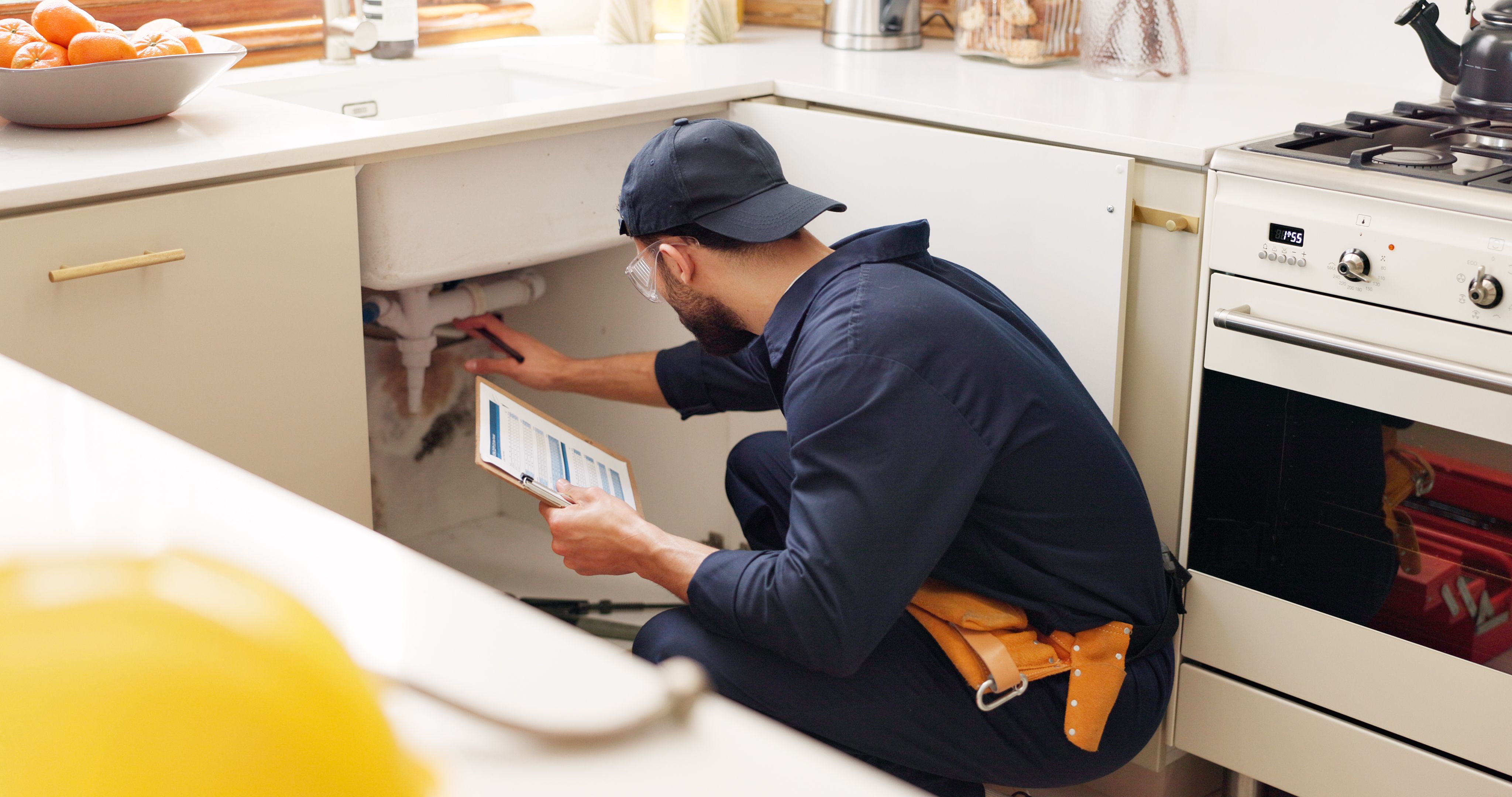
Preparing your home for in-home nursing care is essential to ensure safety and comfort for the patient. Start by assessing the overall environment. Consider the layout of your home and identify areas that require modifications. Ensure that pathways are clear of obstructions to allow easy movement for both the patient and the caregiver.
Pay special attention to entryways and hallways. These should be wide enough to accommodate any medical equipment or mobility aids that the patient might need. If necessary, remove any unnecessary furniture to create a more open space.
Setting Up the Patient’s Room
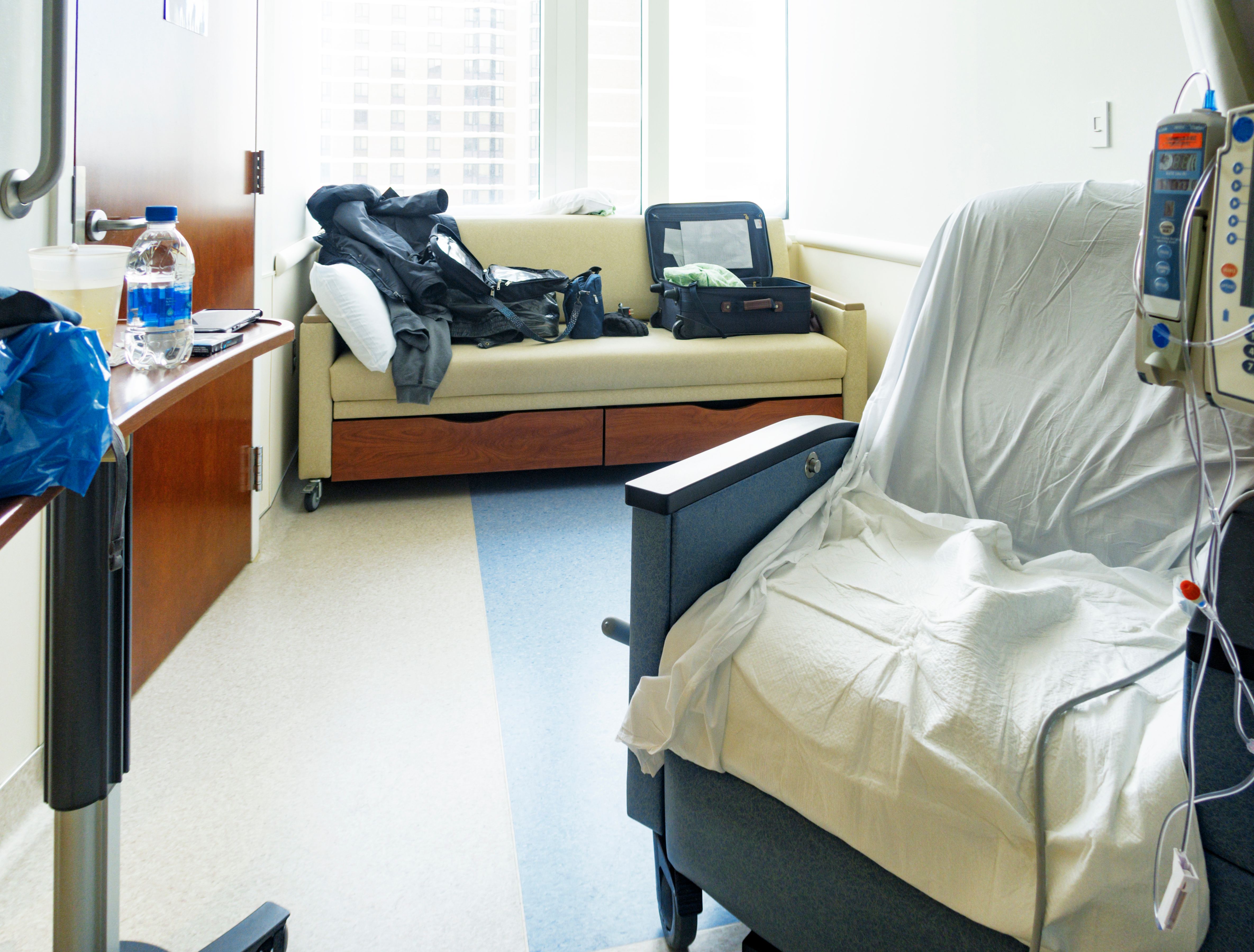
The patient’s room should be comfortable and functional. Choose a room that is easily accessible and preferably on the ground floor. Equip the room with a hospital bed if needed, and ensure there is enough space for medical equipment. The bed should be positioned to allow caregivers to access the patient from both sides.
Install adequate lighting to help prevent accidents. Nightlights can be helpful for nighttime care. Additionally, ensure that essential items like medications, water, and a phone are within the patient’s reach.
Ensuring Bathroom Safety
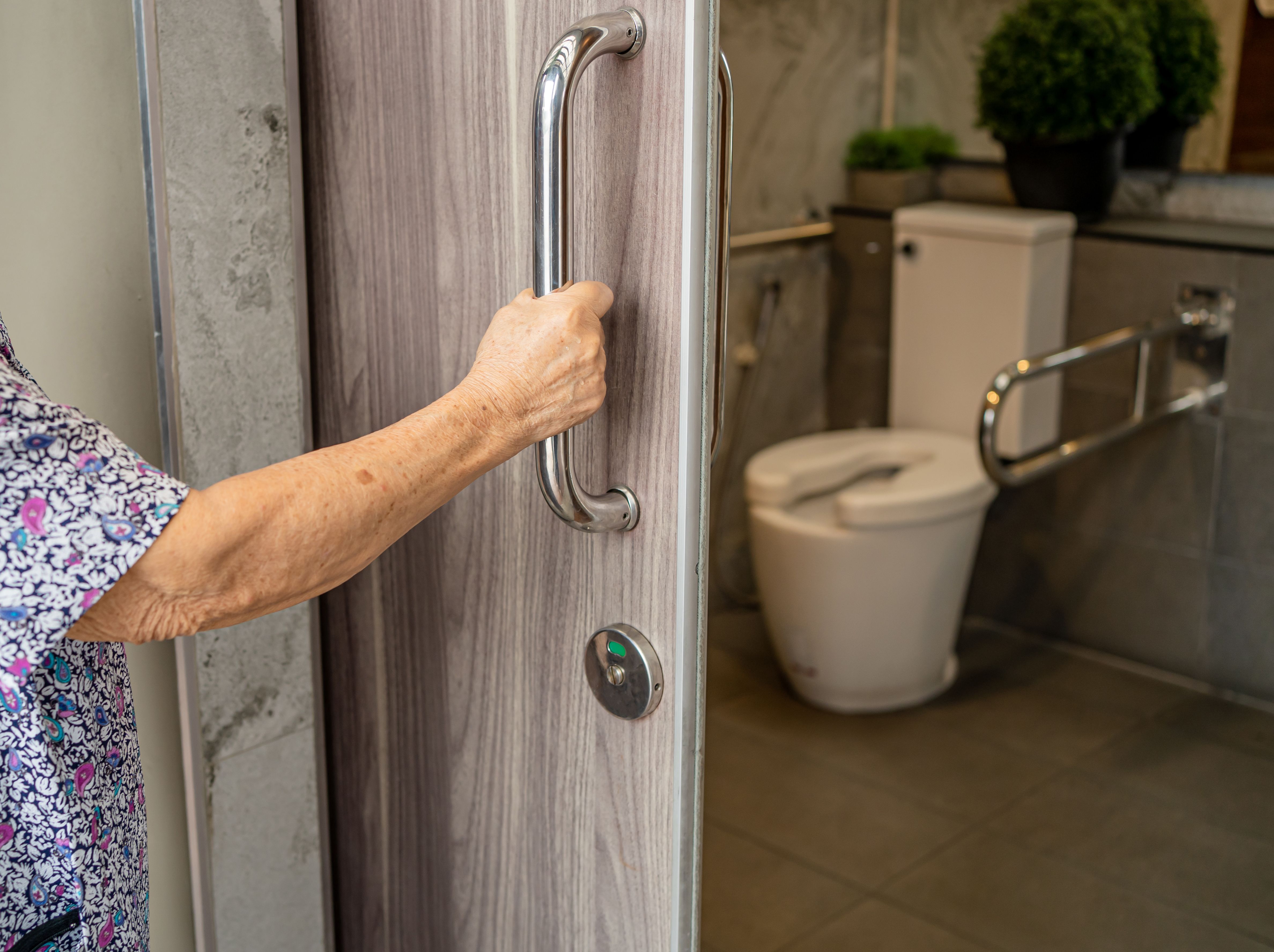
Bathrooms can be hazardous, especially for individuals with limited mobility. Start by installing grab bars near the toilet and in the shower or tub area. Use non-slip mats to prevent falls, and consider a shower chair for added safety.
If the patient requires assistance with bathing, ensure that the bathroom has enough space for both the patient and the caregiver. A handheld showerhead can also make bathing easier and more efficient.
Managing Medical Supplies and Equipment
Organizing medical supplies and equipment is crucial for efficient care. Designate a specific area for storing medical supplies, and keep it well-organized to ensure that items are easily accessible when needed. Consider using labeled containers or shelves to categorize supplies.
- Regularly check and replenish supplies to avoid shortages.
- Ensure that medical equipment is properly maintained and functioning.

Creating a Comfortable Atmosphere
The emotional well-being of the patient is just as important as their physical health. Create a welcoming and comforting atmosphere in the home. Personalize the patient’s space with familiar items such as photos, artwork, or favorite books.
Consider the patient’s preferences in terms of noise levels, temperature, and lighting. Allow them to have a say in how their space is arranged and decorated to make them feel more at home.
Ensuring Effective Communication
Effective communication between the patient, family members, and the caregiver is vital. Establish clear communication channels and keep everyone informed about the patient’s care plan and any changes in their condition. Regularly scheduled meetings can help keep everyone on the same page.
Encourage open dialogue and ensure that the patient feels heard and involved in decisions about their care. This can significantly enhance the quality of care and the patient’s overall experience.

Emergency Preparedness
Being prepared for emergencies is a critical aspect of in-home nursing care. Ensure that you have a clear plan in place in case of medical emergencies, natural disasters, or any other unexpected events. Keep emergency contact numbers readily available for both the caregiver and family members.
- Ensure that all caregivers are trained in basic first aid and CPR.
- Have a backup plan for caregiving in case the primary caregiver is unavailable.
By taking these steps, you can create a safe and supportive environment for in-home nursing care, enhancing the quality of life for your loved one.